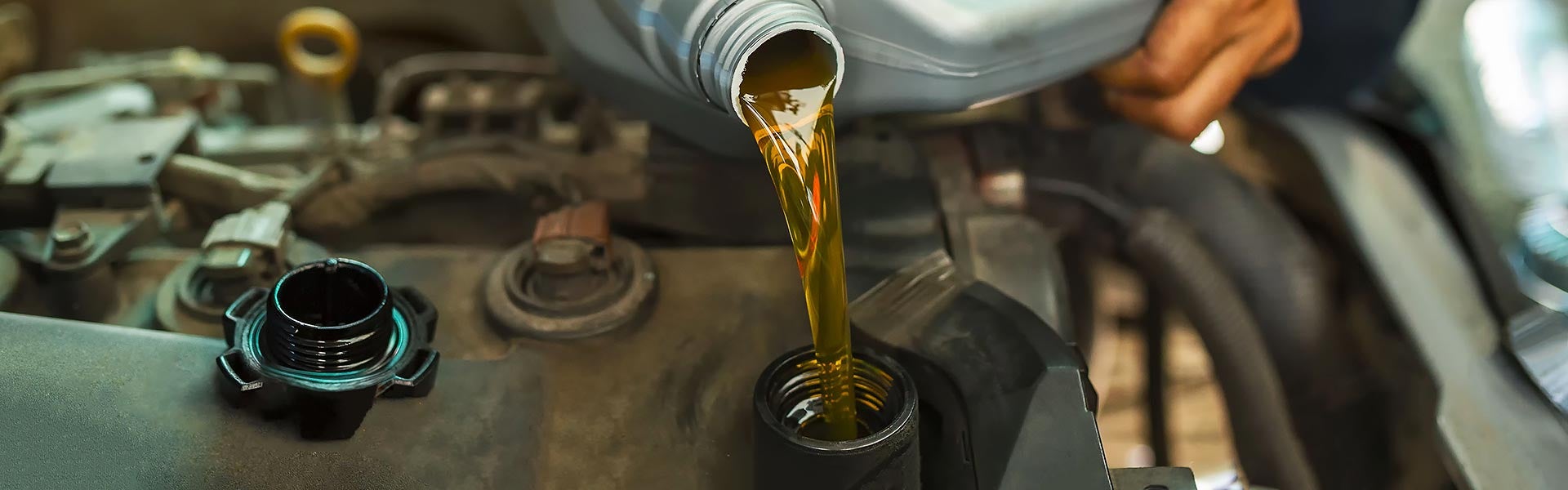


Engine oil has a list of jobs that starts the moment a Toyota engine starts running. It lubricates moving components, reduces friction, carries heat, suspends contaminants, and helps keep metal surfaces separated while everything inside is moving very quickly. But the lubrication system needs enough oil to do those jobs. If the level falls below the proper range, adding oil may correct the level, but it doesn't answer the more important question: where did the oil go? That's where checking the level, watching for changes, and scheduling Toyota service when necessary become important.
Oil Doesn't Disappear Without a Reason
An engine can consume some oil during operation, and the amount can vary by engine design, mileage, operating conditions, and other factors. A level that drops unexpectedly or repeatedly deserves investigation. External leaks can develop at seals, gaskets, drain plugs, filters, or other points in the lubrication system, while an engine can also consume oil internally. Spots beneath the vehicle, oil residue, smoke, or a burning-oil smell can provide clues, but the absence of those signs doesn't prove the level is holding steady. Sometimes the dipstick tells the story before the driveway does.
Low Level and Low Oil Pressure Aren't the Same Problem
This distinction is important. The dipstick measures how much oil is in the engine, while an oil-pressure warning indicates a problem with the pressure needed to circulate lubricant through the engine. If an oil-pressure warning appears while driving, continuing to run the engine can risk serious damage. Follow the warning instructions in the Toyota owner's manual and stop the engine safely when directed. A low reading on the dipstick also needs correction, but don't assume every oil-related dashboard warning simply means it's time to pour in another quart.
Adding Oil Solves the Level, Not Necessarily the Cause
If the dipstick shows a low level and the owner's manual permits topping it off, use oil meeting the viscosity and specification Toyota calls for and avoid overfilling. Then pay attention to what happens next. If the level falls again unusually quickly, an oil leak inspection or engine diagnosis can help determine why. Simply adding oil every time the level drops can conceal a developing problem without repairing it, rather like putting air in a tire every morning and declining to investigate the nail.
Oil Changes and Oil-Level Checks Do Different Jobs
Routine oil changes replace aging lubricant and the oil filter according to the maintenance requirements for the specific Toyota. They also put the vehicle in a service bay, creating an opportunity for technicians to notice leaks or other concerns. They do not guarantee that the engine won't lose oil between services. Checking the oil level as recommended by Toyota remains important, particularly if the vehicle has shown signs of consumption or leakage. Follow the owner's manual and applicable maintenance guidance rather than relying on a universal interval based solely on oil type.
Let the Evidence Decide What Service Comes Next
A low oil level may require nothing more complicated than adding the correct oil, but repeated loss deserves more attention. Marthaler Toyota of Ashland can help drivers with Toyota oil changes, oil-level checks, leak inspections, scheduled maintenance, fluid service, and Multi-Point Inspections. If you've noticed oil beneath the vehicle, repeated low readings, unusual engine behavior, or an oil-related warning, have the cause investigated rather than simply resetting the clock. Check current service specials and schedule your Toyota service appointment online today.
Low Engine Oil Means Something Changed. Find Out What.