

Marthaler Toyota of Ashland

Blog / Toyota Oil

Blog

All Toyota Oil Marthaler Toyota of Ashland Ashland Toyota Dealer Toyota Dealer Ashland, WI New Toyota Technology Marthaler Toyota of Ashland Service Ashland Toyota Service Toyota SUVs in Ashland, WI 2026 Toyota SUV New Cars For Sale Ashland, WI Toyota Loan in Ashland, WI Toyota SUV Ashland, WI 2026 Toyota Hybrid SUVs Best 2026 Toyota SUV Used SUVS Ashland, WI Toyota Finance in Ashland, WI 2026 Toyota Grand Highlander Best 2026 SUV Toyota Lease in Ashland, WI 2026 Toyota Grand Highlander Hybrid Ashland, WI Used Toyota SUVS Ashland, WI Ashland Used Cars Used Trucks For Sale Ashland, WI 2026 Toyota Family SUVs 2026 Toyota Highlander 2026 Toyota Tundra 2026 Toyota Tundra Ashland, WI Best 2026 Trucks New Toyota Grand Highlander New Toyota Trucks Ashland, WI 2026 Toyota RAV4 Hybrid Toyota Grand Highlander Hybrid Ashland, WI Toyota RAV4 Hybrid Ashland, WI 2026 Off-Roading SUV 2026 Toyota Grand Highlander Hybrid 2026 Toyota Safety Technology Auto Maintenance Ashland, WI Best 2026 Off-Roading Trucks New Toyota Safety Technology Toyota Grand Highlander in Ashland, WI Toyota Maintenance Tips Toyota Warranty 2026 Toyota Camry Ashland, WI 2026 Toyota Compact SUV 2026 Toyota Highlander Ashland, WI 2026 Toyota Hybrid 2026 Toyota Tacoma 3-Row SUV Ashland, WI Best 2026 Family SUVS Best 2026 Small Trucks new Toyota Tundra Ashland, WI Oil Change Ashland, WI Small Trucks Ashland, WI Tire Service Ashland, WI Toyota Accessories Toyota Camry Ashland, WI Toyota Highlander Ashland, WI Toyota Oil Change Toyota RAV4 Ashland, WI Toyota Tacoma Ashland, WI Toyota Oil Change Ashland, WI 2026 Toyota 3-Row SUV 2026 Toyota 4Runner 2026 Toyota Camry 2026 Toyota EVs 2026 Toyota Land Cruiser Trim Levels 2026 Toyota Prius 2026 Toyota Prius Ashland, WI 2026 Toyota Tacoma Ashland, WI 2026 Toyota Tech 2026 Toyota Tundra interior Best 2026 Family Van Cabin Air Filter Certified Preowned Toyota Ashland, WI Compact SUV Ashland, WI EV and Hybrid Vehicles In Ashland, WI How to connect your Toyota to your Apple Car Play How to connect your Toyota to your iPhone New Tires Ashland, WI New Toyota 3-Row SUV New Toyota 3-Row SUV Ashland, WI New Toyota Lease Deals Ashland, WI Tire Shop Ashland, WI Toyota 4Runner Ashland, WI Toyota cabin air filter replacement Toyota EV Ashland, WI Toyota Highlander in Ashland, WI Toyota Safety Technology Toyota Safety Technology Ashland, WI Toyota Tires Ashland, WI Toyota Winterization Ashland, WI Toyota Tundra Finance Used Truck in Ashland, WI 2026 fuel efficient Toyota 2026 Mini Van 2026 Toyota 4Runner Ashland, WI 2026 Toyota 4Runner Redesign 2026 Toyota Crown 2026 Toyota Land Cruiser 2026 Toyota Land Cruiser Ashland, WI 2026 Toyota Sequoia 2026 Toyota Sequoia Ashland 2026 Toyota Sequoia Interior 2026 Toyota Sequoia Seating 2026 Toyota Sienna 2026 Toyota Tacoma TRD Sport 2026 Toyota Tacoma Trim Levels 2026 Toyota Van 2026 Toyota Warranty Ashland WI Ashland, WI Winter Auto Body Shop Ashland, WI Best 2026 Toyota SUVs for Back-to-School Season fuel-efficient cars Ashland, WI Minivan Ashland, WI Reliable Used Truck in Ashland, WI Toyota Accessories Ashland, WI Toyota AWD Toyota CPO Ashland, WI Toyota CPO Benefits Toyota Genuine Accessories Toyota Genuine Accessories Ashland, WI Toyota Hybrid Ashland, WI Toyota Land Cruiser Ashland, WI Toyota Oil Pressure Ashland, WI Toyota Oil Pressure Check Toyota Parts Ashland, WI Toyota Safety Sense Toyota Sienna Ashland, WI Toyota Tundra Finance Ashland, WI Toyota Tundra Lease Ashland, WI Toyota Tundra Loan Ashland, WI Toyota Tundra Loan VS. Lease Toyota Winterization Tips Used Truck in Ashland 2027 Toyota Land Cruiser Toyota Compact SUVs Used Cars in Ashland
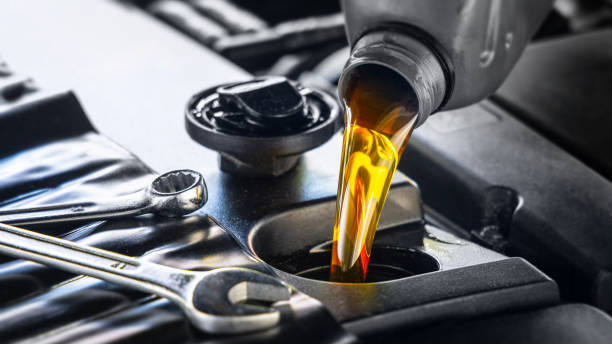
Engine oil being poured into a vehicle engine during an oil change service.

Low Engine Oil Means Something Changed. Find Out What.

Engine oil has a list of jobs that starts the moment a Toyota engine starts running. It lubricates moving components, reduces friction, carries heat, suspends contaminants, and helps keep metal surfaces separated while everything inside is moving very quickly. But the lubrication system needs enough oil to do those jobs. If the level falls below the proper range, adding oil may correct the level, but it doesn't answer the more important question: where did the oil go? That's where checking the level, watching for changes, and scheduling Toyota service when necessary become important. Oil Doesn't Disappear Without a Reason An engine can consume some oil during operation, and the amount can vary by engine design, mileage, operating conditions, and other factors. A level that drops unexpectedly or repeatedly deserves investigation. External leaks can develop at seals, gaskets, drain plugs, filters, or other points in the lubrication system, while an engine can also consume oil internally. Spots beneath the vehicle, oil residue, smoke, or a burning-oil smell can provide clues, but the absence of those signs doesn't prove the level is holding steady. Sometimes the dipstick tells the story before the driveway does. Low Level and Low Oil Pressure Aren't the Same Problem This distinction is important. The dipstick measures how much oil is in the engine, while an oil-pressure warning indicates a problem with the pressure needed to circulate lubricant through the engine. If an oil-pressure warning appears while driving, continuing to run the engine can risk serious damage. Follow the warning instructions in the Toyota owner's manual and stop the engine safely when directed. A low reading on the dipstick also needs correction, but don't assume every oil-related dashboard warning simply means it's time to pour in another quart. Adding Oil Solves the Level, Not Necessarily the Cause If the dipstick shows a low level and the owner's manual permits topping it off, use oil meeting the viscosity and specification Toyota calls for and avoid overfilling. Then pay attention to what happens next. If the level falls again unusually quickly, an oil leak inspection or engine diagnosis can help determine why. Simply adding oil every time the level drops can conceal a developing problem without repairing it, rather like putting air in a tire every morning and declining to investigate the nail. Oil Changes and Oil-Level Checks Do Different Jobs Routine oil changes replace aging lubricant and the oil filter according to the maintenance requirements for the specific Toyota. They also put the vehicle in a service bay, creating an opportunity for technicians to notice leaks or other concerns. They do not guarantee that the engine won't lose oil between services. Checking the oil level as recommended by Toyota remains important, particularly if the vehicle has shown signs of consumption or leakage. Follow the owner's manual and applicable maintenance guidance rather than relying on a universal interval based solely on oil type. Let the Evidence Decide What Service Comes Next A low oil level may require nothing more complicated than adding the correct oil, but repeated loss deserves more attention. Marthaler Toyota of Ashland can help drivers with Toyota oil changes, oil-level checks, leak inspections, scheduled maintenance, fluid service, and Multi-Point Inspections. If you've noticed oil beneath the vehicle, repeated low readings, unusual engine behavior, or an oil-related warning, have the cause investigated rather than simply resetting the clock. Check current service specials and schedule your Toyota service appointment online today.
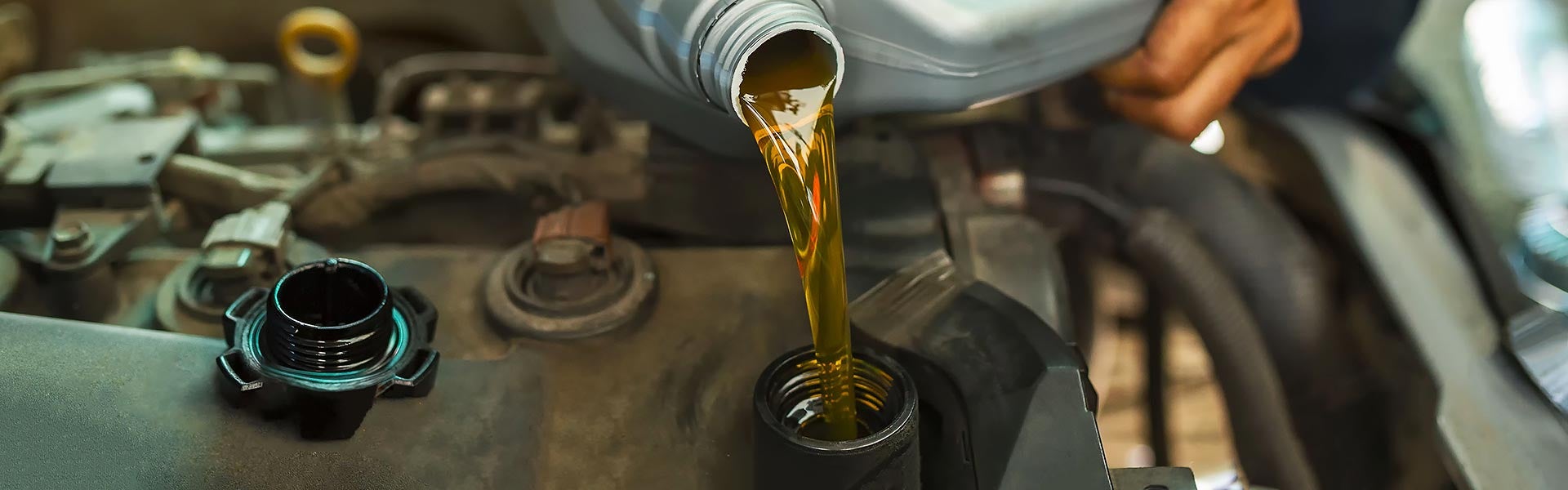
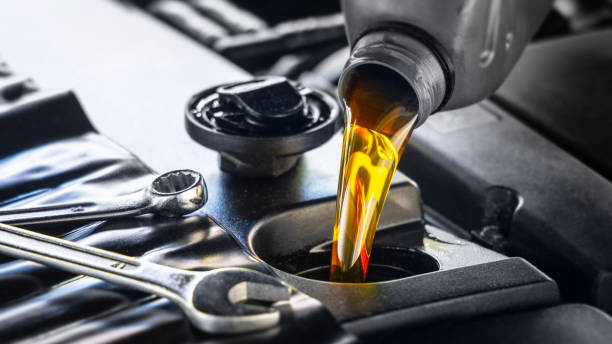
A close-up of engine oil being poured into a car's engine, with tools visible nearby.

Why Checking Your Toyota’s Oil Pressure in Spring Is Crucial

The Importance of Toyota Oil Pressure Maintaining proper Toyota oil pressure is essential for the health and longevity of your vehicle's engine. Oil pressure ensures that all moving parts within the engine are adequately lubricated, reducing friction and preventing wear over time. Without proper oil pressure, your engine could overheat or suffer severe damage. Spring is an ideal time to perform an oil pressure check on your Toyota, especially in Ashland, WI, where winter conditions can take a toll on your vehicle. Seasonal changes often bring fluctuating temperatures that can affect your car's oil viscosity and overall performance. How Seasonal Changes Impact Toyota Oil Pressure As temperatures rise in spring, the oil in your Toyota may thin out, potentially affecting oil pressure levels. This is why Toyota engine maintenance is particularly important during this time of year. A thorough oil pressure check ensures that your vehicle is ready to handle the demands of warmer weather and any upcoming road trips. Additionally, winter driving in Ashland, WI, can lead to sludge buildup in your engine, which may restrict oil flow. Regular Toyota oil pressure spring maintenance helps clear out any debris and ensures that your engine operates smoothly as you transition into spring. Signs Your Toyota Needs an Oil Pressure Check It’s crucial to recognize the warning signs of low or inconsistent oil pressure in your Toyota. Common indicators include: - The oil pressure warning light appearing on your dashboard. - Unusual engine noises, such as knocking or ticking sounds. - A noticeable drop in engine performance or fuel efficiency. If you experience any of these symptoms, schedule an oil pressure check for your Toyota immediately. Staying proactive with Toyota engine care can save you from costly repairs down the line. Benefits of Spring Car Service in Ashland Spring car service in Ashland goes beyond just checking your Toyota’s oil pressure. It’s an opportunity to address other essential maintenance tasks, such as: - Replacing the oil filter to ensure clean oil circulation. - Inspecting the Toyota oil pressure spring for wear or damage. - Checking tire pressure and alignment after months of winter driving. By taking care of these tasks during spring, you can enjoy peace of mind knowing your vehicle is prepared for the warmer months ahead. Ensure your Toyota is ready for spring by scheduling a professional oil pressure check today at Marthaler Toyota of Ashland. Our expert technicians are here to provide top-notch Toyota engine maintenance in Ashland, WI.

Contact Us

Fill out this form below and we'll contact you shortly
*Required Fields